
Chimney Repairs & Rebuilds in Worcestershire
From crumbling mortar to a leaning stack — we restore, rebuild, or safely remove chimneys so your home stays structurally sound and watertight.
Hundreds of chimney repairs completed across Worcestershire — no job too high or too complex.
When Does a Chimney Need Professional Attention?
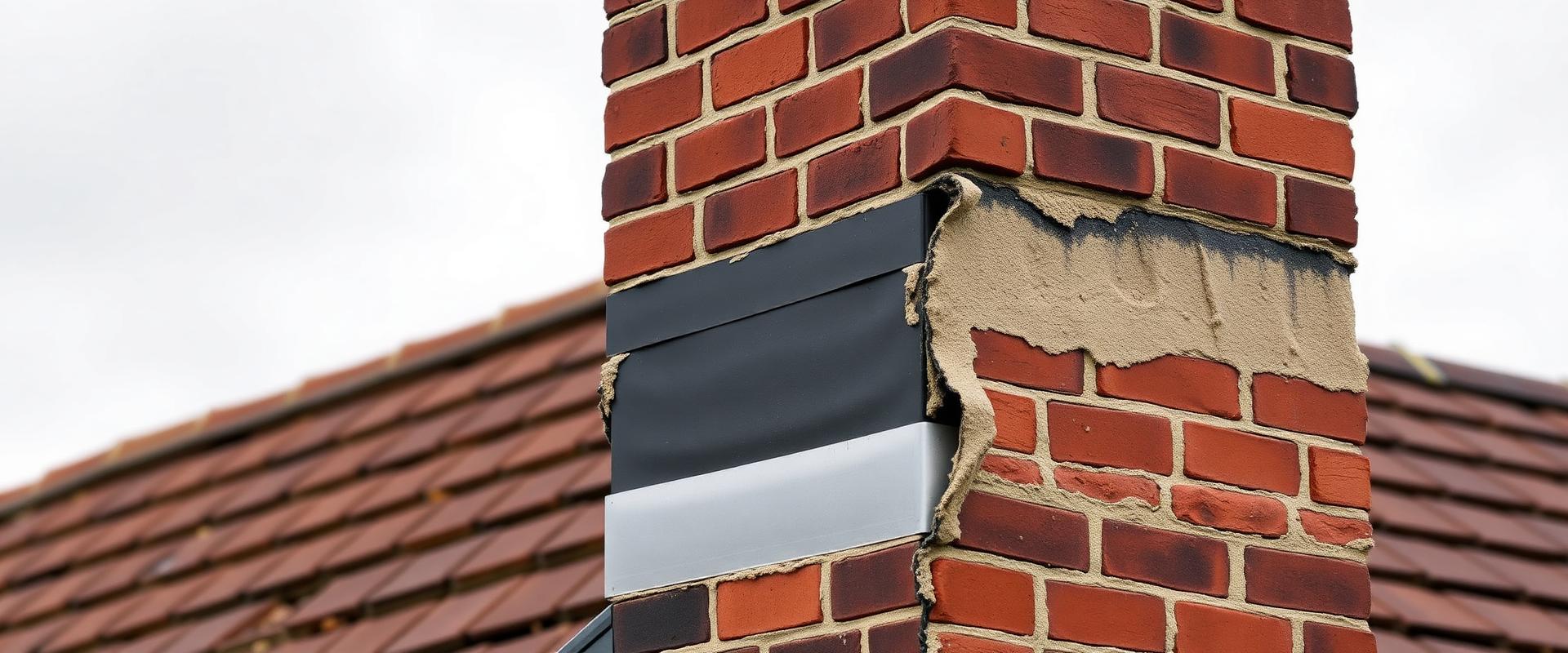
Chimneys are one of the most exposed parts of any property. They sit above the roofline, taking the full force of wind, rain, frost, and UV exposure from every direction. Over decades, this relentless weathering causes mortar joints to erode, brickwork to crack, flaunching to fail, and lead flashing to lift.
You need chimney repairs when you notice: crumbling mortar joints visible from ground level, damp patches on chimney breast walls inside the property, fallen debris in the fireplace or on the roof, a chimney stack that appears to be leaning or separating from the main structure, or deteriorated flashing where the chimney meets the roof.
Chimney work requires specialist roofing knowledge because it sits at the intersection of brickwork, lead work, and roof tile work. An incomplete repair — repointing without addressing the flashing, for example — simply moves the water entry point rather than solving it.
At Keystone Roofing & Driveways, we handle everything from minor repointing to full chimney stack rebuilds, chimney pot replacement, cowl fitting, and complete chimney removal where the flue is no longer in use.
The Risks of Ignoring Chimney Deterioration
Structural collapse is a real risk. A chimney stack that has lost significant mortar between its courses is held together primarily by gravity and the weight of the pots above. In high winds, weakened stacks can partially or fully collapse — sending bricks, pots, and mortar onto the roof below, through tiles, or onto the ground. This is a genuine safety hazard.
Water penetration is constant. A chimney with failed pointing, cracked flaunching, or lifted flashing allows water into the structure from every rainfall. This water travels down through the chimney breast internally, causing persistent damp patches, black mould, and salt staining on chimney breast walls that no amount of redecoration will fix.
Heat loss is significant. An open, unlined chimney with a missing or damaged pot and no cap acts as a ventilation shaft — drawing warm air out of your home. Fitting a cowl, capping an unused pot, or properly sealing a decommissioned flue can noticeably reduce heating costs.
Carbon monoxide risks increase. If you use a solid fuel burner or gas fire, a chimney with cracked liner sections or degraded mortar joints can allow combustion gases to leak into adjacent rooms rather than venting safely. This is a life-threatening hazard that requires immediate professional attention.
The most common mistake is assuming a chimney is "fine" because it has been there for decades without attention. Most Victorian and Edwardian chimneys in Worcestershire are now 80–140 years old. The mortar used was lime-based and has a finite lifespan — if it has not been repointed in the last 30–40 years, it almost certainly needs it.
How We Repair or Rebuild Your Chimney
Ground-Level & Ladder Inspection
We assess the chimney's condition from ground level using binoculars and from ladder/scaffold access. We check mortar joints, flaunching, flashing, pots, cowls, and overall structural alignment.
Written Report & Quote
You receive a clear report explaining what we found, what work is needed, and why — along with a fixed-price quote covering all materials, scaffold, and labour.
Scaffold Erection
Safe scaffold access is erected around the chimney stack. All chimney work is done from a proper working platform — never from a ladder at height.
Repair or Rebuild
Repointing: old mortar is raked out and replaced with fresh mortar matched to the original. Rebuilds: the stack is taken down course by course and rebuilt with new bricks and mortar, maintaining the original profile.
Flashing & Flaunching
Lead flashing is replaced or re-dressed and pointed. Flaunching (the cement bed around chimney pots) is renewed to shed water away from the stack.
Final Inspection & Cleanup
The completed work is inspected, scaffold removed, and debris cleared. You receive a written guarantee and photographic record of the work.
Why Trust Keystone with Your Chimney
Structural Safety
We assess and address structural concerns — not just cosmetic pointing — to ensure your chimney is safe for decades to come.
Complete Service
Repointing, flashing, flaunching, pots, cowls, rebuilds, and removals — all handled by one experienced team.
Fixed Pricing
Your quote includes scaffolding, materials, and labour. No hidden costs or surprise extras.
Flue Safety
If you use a fire or stove, we ensure the chimney structure supports safe flue operation and ventilation.
Honest Assessment
If your chimney is beyond economical repair, we will tell you — and offer removal as a more cost-effective option.
Heritage Experience
We work on Victorian, Edwardian, and inter-war chimneys regularly, matching original brick profiles and mortar colours.
Chimney Services: Repointing, Rebuilds, Removal & More
Chimney Repointing
Repointing involves raking out deteriorated mortar joints to a depth of 15–20mm and filling them with fresh mortar. For older properties, we use lime mortar rather than cement mortar — lime allows the brickwork to breathe and flex, reducing the risk of brick spalling that hard cement pointing causes on softer historic bricks.
Chimney Stack Rebuilds
When mortar deterioration is so extensive that repointing alone is insufficient — or when the stack is leaning, cracking, or structurally compromised — a partial or full rebuild is required. We take the stack down to sound brickwork (or to roof level if necessary), and rebuild using matching bricks, correctly specified mortar, and stainless steel ties where required.
Lead Flashing Replacement
The junction where a chimney meets the roof slope is one of the most common leak points on any property. We install or replace stepped lead flashing, back gutter lead, and apron flashing using code 4 or code 5 lead, dressed into chases cut into the brickwork and sealed with lead sealant.
Flaunching Renewal
Flaunching is the cement slope around the base of chimney pots, designed to shed water away from the stack. Over time, it cracks and separates, allowing water directly into the chimney structure. We remove old flaunching, check pot stability, and apply a new weatherproof cement bed.
Chimney Pot & Cowl Fitting
We supply and fit replacement chimney pots in a range of styles — roll-top, louvred, and traditional cannon-head. For unused flues, we install ventilated cowls or rain caps that prevent water ingress while maintaining airflow to prevent condensation.
Chimney Removal
If your chimney is no longer in use and is beyond economical repair, removal may be the most cost-effective option. We can remove the stack to below roofline, properly tile and flash over the opening, and remove the chimney breast internally if required. This eliminates ongoing maintenance costs entirely.
Frequently Asked Questions
Related Services
Areas We Serve
Protect Your Home from Chimney Deterioration
Get a professional chimney assessment and a clear, fixed-price quote. No pressure, no obligation — just honest advice.